
By Staff Reporter
Farmers in the Teso sub-region have been urged to embrace the growing of perennial cash crops as a way of improving household incomes, reducing poverty and ending dependence on land mortgaging to meet financial needs.
The call was made by Gabriel Opolot, Chairperson of Einos SACCO, who said the region's heavy reliance on food crops for both household consumption and commercial purposes has limited opportunities for farmers to build sustainable sources of income.
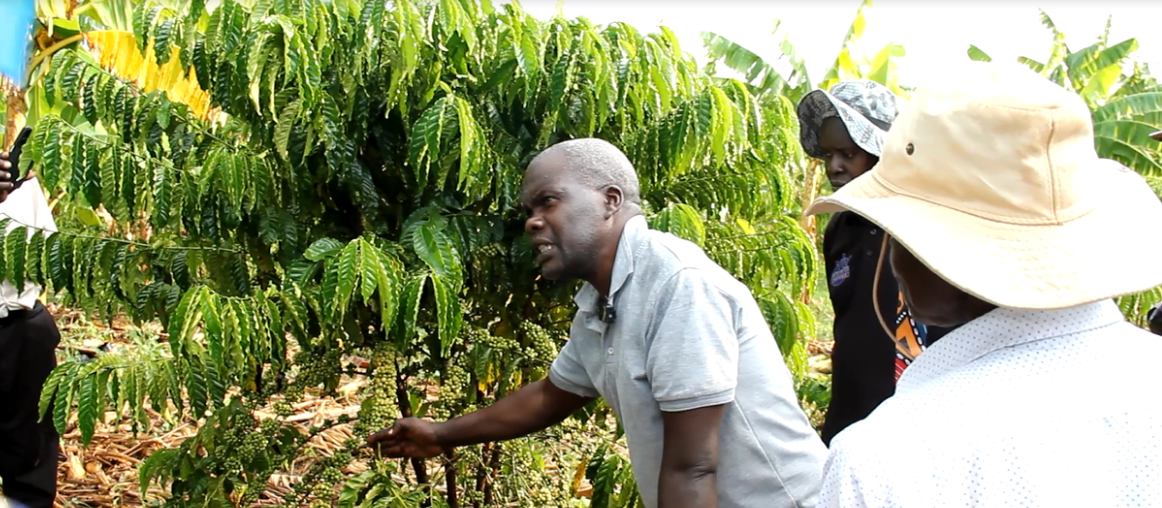
Opolot said farmers should consider diversifying into perennial cash crops such as coffee, which can provide farmers with income over a longer period once the crops mature.
According to him, perennial crops can also serve as a form of productive investment that may improve farmers' ability to access financial services.
He explained that instead of repeatedly turning to banks and other lenders by mortgaging land, farmers can invest in productive agricultural activities and use their income-generating capacity to improve their financial stability.
“Growing perennial cash crops can enable people to come out of land mortgaging by banks,” Opolot said.
Cooperatives and access to credit
Opolot also encouraged farmers to work through cooperatives and savings groups to strengthen their access to credit and other agricultural services.
He said Einos SACCO provides an opportunity for farmers to organize themselves, save collectively and access credit that can support agriculture and other income-generating activities.
Through such arrangements, farmers can potentially invest in farm inputs, establish perennial crops and expand their enterprises while building a stronger financial base.
Opportunity for young people
The SACCO chairperson also pointed to the growing number of young people in the region who need sustainable sources of employment and income.
He encouraged young people to view agriculture not only as a means of producing food but also as a business opportunity, particularly through enterprises that can generate income over several years.
The shift towards perennial cash crops, he said, could help farmers diversify their sources of income while reducing overdependence on seasonal food-crop production.
For Teso, where agriculture remains central to household livelihoods, greater investment in commercial farming and farmer cooperatives could provide farmers with additional avenues for income generation and access to financial services.
Opolot urged farmers to embrace collective action, savings and long-term agricultural investment as part of efforts to improve household incomes and fight poverty in the region.
Teso Farmers Urged to Embrace Perennial Cash Crops to Fight Poverty
Teso Farmers Urged to Embrace Perennial Cash Crops to Fight Poverty
Related Stories




How did this story make you feel?
1 reaction
Comments (0)
Be the first to join the discussion.